Denver Summit FC’s Stadium Vote Was About More Than Soccer — It Was About Belief
On a December night at Denver City Council, something rare happened in American sports.
A city didn’t just approve a stadium.
It chose to believe — early, publicly, and structurally — in women’s professional soccer.
With a series of votes that cleared rezoning, funding, and intergovernmental agreements, Denver officially paved the way for a 14,500-seat, purpose-built stadium for Denver Summit FC at Santa Fe Yards, a long-vacant industrial site near South Broadway and Interstate 25. The project is set to open in early 2028, giving the National Women’s Soccer League its newest permanent home — and giving Denver a chance to reshape how women’s sports fit into the urban fabric of a growing city.
This wasn’t a quiet decision. It came after months of debate, negotiation, community organizing, and public testimony. And that’s exactly why it matters.
A Long-Fallow Site, A New Vision
Santa Fe Yards — formerly home to the Gates Rubber Company — has sat largely unused for nearly 30 years. For surrounding neighborhoods, it became a symbol of missed opportunity: land close to downtown, adjacent to transit, but never fully activated.
The proposed stadium changes that equation.
Under the approved rezoning, the six-acre site will become a planned unit development designed for dense, mixed-use, transit-oriented growth. The stadium itself will feature three enclosed sides to enhance atmosphere, with an open eastern frontage leading to a pedestrian plaza meant for street-level activation — a deliberate shift away from the parking-lot-heavy stadiums of the past.
The goal, according to city planners, is not just a venue, but a neighborhood anchor.
The Community Benefits Agreement Was the Turning Point
For many supporters — and skeptics — the project rose or fell on one document: the Community Benefits Agreement (CBA).
After months of negotiation between Denver Summit FC’s ownership group and neighborhood coalitions like West East Neighborhoods United, the final CBA committed more than $7 million over the next 10 years directly into surrounding communities.
The agreement includes:
- An immediate $400,000 deposit into a flexible community benefits fund
- At least $300,000 annually thereafter, in perpetuity
- Priority funding for youth scholarships, sports access, housing stability and anti-displacement efforts
- Support for small businesses and local workforce development
- Investments in environmental initiatives, tree planting, and sustainability
- Funding for art, history, and cultural preservation, including partnerships with local, minority, and female artists
The club also committed to donating tickets to its inaugural home match, offering discounts for students and seniors, providing free meeting space for community organizations, and funding soccer clinics, apprenticeships, and in-school programs.
For several City Council members, the CBA transformed the stadium from a perceived subsidy into a partnership — one that directly ties the club’s success to neighborhood outcomes.
The City’s Investment — And the Debate Around It
Denver’s financial commitment to the project totals up to $70 million, broken into:
- $50 million upfront for land acquisition and on-site public improvements
- Up to $20 million in future off-site infrastructure improvements
The funding comes from previously rescinded capital improvement funds, not new taxes.
Still, opposition voices raised important concerns. Some council members questioned whether public dollars should support a privately owned stadium at all, particularly given Denver’s ongoing needs around housing and public safety. Others criticized the timeline and late presentation of the CBA.
Those concerns shaped the debate — and arguably strengthened the final outcome.
In the end, the council approved the funding measures by a 10–3 vote, and the rezoning by an 11–1 vote, signaling broad — though not unanimous — confidence in the project’s long-term value.
The Beginning, Not the Finish Line
The most important thing to understand about this moment is that it isn’t an ending.
It’s a foundation.
The chants, the traditions, the rivalries, the packed summer nights — none of that exists yet. That’s the opportunity. Denver Summit FC enters the league with a rare chance to grow organically, alongside its supporters and neighbors, before opening the doors to a permanent home.
Years from now, when fans walk into Santa Fe Yards for the first time, this City Council vote will be part of the story. The moment when belief turned into bricks, plans turned into promises, and women’s soccer at altitude stopped being an idea — and became a commitment.
While the permanent stadium won’t open until 2028, Denver Summit FC is already building momentum.
The club will play its first-ever home match at Empower Field at Mile High on March 28, a symbolic debut on one of the city’s largest stages. Before that, the team will participate in the 2026 Coachella Valley Invitational, marking its first preseason competition and first opportunity to establish identity on the field.
Off the field, the Summit secured another key piece of infrastructure: a local broadcast partnership with Scripps Sports, ensuring games are available over the air to a wide audience. For an expansion club, accessibility matters. Visibility matters. And local television still plays a critical role in growing a fanbase beyond early adopters.
What This Means for Denver — And the NWSL
Purpose-built stadiums are statements of permanence. For decades, women’s soccer teams were asked to prove themselves before being supported. Denver chose the opposite approach: invest first, believe first, and build accountability into the structure.
For the NWSL, Denver’s commitment raises expectations league-wide. It reinforces the idea that women’s professional soccer is not a temporary attraction, but civic infrastructure — something cities can plan around, invest in, and grow alongside.
For Denver, the stakes are both higher and more exciting.
This project will be judged not just on attendance numbers or win-loss records, but on whether promises are kept, communities benefit, and Santa Fe Yards becomes a place that belongs to the city — not just on matchdays, but every day.
The Beginning, Not the Finish Line
The most important thing to understand about this moment is that it isn’t an ending.
It’s a foundation.
The chants, the traditions, the rivalries, the packed summer nights — none of that exists yet. That’s the opportunity. Denver Summit FC enters the league with a rare chance to grow organically, alongside its supporters and neighbors, before opening the doors to a permanent home.
Years from now, when fans walk into Santa Fe Yards for the first time, this City Council vote will be part of the story. The moment when belief turned into bricks, plans turned into promises, and women’s soccer at altitude stopped being an idea — and became a commitment.
Women’s Soccer Analyst & Host of The 5280 Pitch & Mom
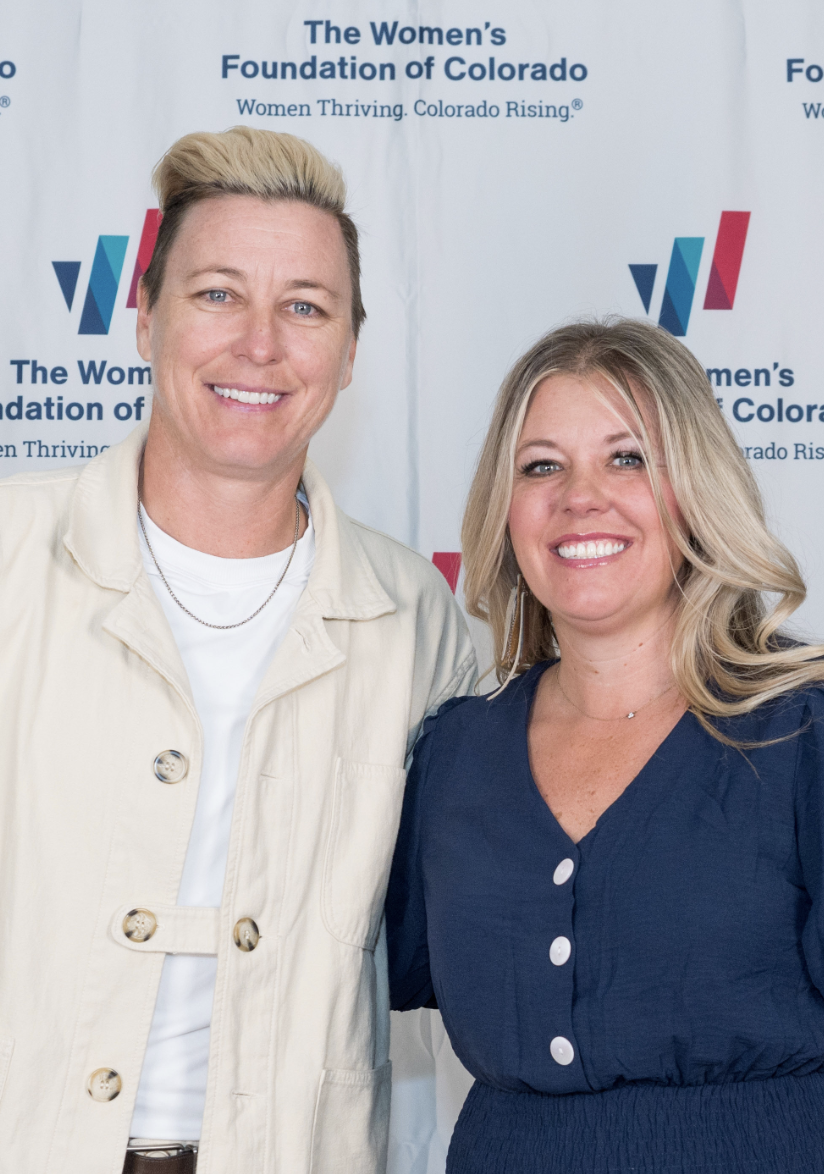
Kate Hanson is a Colorado native, lifelong soccer fan, and the voice behind The 5280 Pitch. Known for her passion, insight, and unapologetic love for women’s sports, Kate brings a uniquely local perspective to the rise of Denver Summit FC and the NWSL’s expansion into the Mile High City.
A seasoned podcaster and broadcaster, Kate blends storytelling, analysis, and community-focused coverage to keep fans informed and connected — from expansion updates and player profiles to tactical breakdowns and match-week conversations. Her style is direct, energetic, and built for fans who want women’s soccer treated with the same excitement and depth as every other professional sport.
Growing up in Colorado’s soccer culture, Kate understands the significance of a top-tier women’s team finally calling this state home. Her mission is simple:
give fans a place to plug in, learn the stories, and feel part of Denver Summit FC from day one.
When she’s not behind the mic, Kate is usually at a pitch somewhere in Colorado, cheering on the next generation of players who will shape the future of the sport.