How Denver Summit FC Is Avoiding the Classic Expansion Trap
If you’ve been trying to follow Denver Summit FC over the past few weeks, you’re not imagining things — the pace has been dizzying.
One week it felt like we were slowly, deliberately getting to know this expansion club through individual player profiles. The next week, the news cycle hit warp speed. A cascade of signings. The NWSL schedule release. The quiet but consequential announcement that Centennial Stadium won’t be ready to open the season. And then, of course, the seismic signing of Lindsey Heaps.
For fans, especially those following an expansion team for the first time, moments like this can feel disorienting. That’s not a failure of communication or excitement — it’s simply what happens when a brand-new club is being built in public, in real time, inside one of the most demanding leagues in the world.
This moment calls for a reset. Not breaking news. Not another player-by-player deep dive. But a step back to ask a bigger question:
What, exactly, is Denver Summit FC building right now?
And once you look closely, the answer becomes surprisingly clear.
The Lindsey Heaps Effect: A Shift in Gravity
Let’s start with the obvious pivot point: Lindsey Heaps.
When that signing dropped, it didn’t just add a world-class midfielder to the roster. It fundamentally changed the context of every other decision the club has made.
Before Heaps, the conversation around the Summit centered on promise — long-term vision, patient growth, building something sustainable over multiple seasons. After Heaps, the conversation shifts toward standards. Credibility. Expectations. What this team is going to look like on day one, not just in year three.
In NWSL history, expansion teams rarely land players of this stature at this stage. Veterans with global experience usually join once a club has proven stability. By bringing in Heaps now, Denver signaled something important to both the league and its own locker room: this isn’t a slow-motion rebuild hiding behind future timelines.
That doesn’t mean “championship or bust.” It means the Summit are serious about being functional immediately — and in this league, functionality is survival.
Quiet by Design: Why the Early Roster Build Felt Different
Earlier in the offseason, some fans noticed the contrast between Denver and fellow expansion side Boston. Boston’s signings came fast and loud. Denver’s felt… calm. Even quiet.
That wasn’t an accident.
Early Summit signings looked like puzzle outlines rather than headline grabs: defenders, midfielders, attackers spread evenly across the field; a blend of league experience, local ties, and selective international flair. There was no single identity being shouted yet — just a framework taking shape.
And now, with the benefit of hindsight, that patience makes sense.
Denver didn’t build to “win the announcement cycle.” They built to make sure the team could function under pressure. That might not trend on social media, but in the NWSL, it keeps you alive through April, May, and the inevitable chaos of summer.
Timing Matters: Schedule, Stadiums, and Stress Tests
The Heaps signing didn’t happen in a vacuum. It landed during a week where several pressure points converged:
The preseason calendar tightened
The reality of Denver’s venue situation became public
That stadium update — Centennial Stadium not being ready to open the season — matters more than it might seem at first glance.
Starting life as a club without a settled home means more than just different seating charts. It affects locker room routines, training rhythms, sightlines, recovery habits, and emotional grounding. Players feel that instability, even when fans don’t see it directly.
Denver will open at Mile High, shift to Dick’s Sporting Goods Park, and eventually move into Centennial Stadium. That’s a lot of logistical change for a team that’s still learning each other’s tendencies.
So what do you do if you know your first season will be messy?
You don’t build a fragile team.
A Roster Built for Friction, Not Fantasy
When you zoom out and look at the Summit’s roster construction, a pattern emerges: no single point of failure.
Two professional goalkeepers, not a gamble
Eight defenders with overlapping skill sets
Six midfielders built for rotation and connectivity
Six forwards who create threat without carrying the entire attack
This isn’t a roster chasing one dominant style. It’s a roster built around adaptability.
The NWSL punishes teams that rely too heavily on one star, one system, or one perfect version of themselves. Injuries happen. International windows happen. Short rest weeks happen. Weird things always happen.
Denver’s front office appears allergic to the idea of collapse.
Experience Over Volatility
One of the most telling elements of this roster is what it doesn’t include.
There’s no heavy reliance on a raw draft class. No flood of internationals needing simultaneous adaptation. No collection of project players who require ideal conditions to succeed.
Instead, the majority of this squad has lived professional soccer before — NWSL seasons, compressed schedules, long travel days, coaching changes, uncertainty. That experience matters enormously for an expansion team, especially one starting without a permanent home.
This isn’t ceiling-chasing. It’s floor-raising.
And in year one, the floor is everything.
Selective International Influence, Not Dependence
Denver’s international signings are purposeful, not performative.
Attackers like Nikari García and Melissa Kössler add specific qualities without being asked to define the club’s identity. They’re being integrated into an existing structure, not dropped in to rescue one.
That distinction matters. Too many expansion teams have tried to “out-skill” the league with international talent, only to struggle with cohesion. Denver’s approach suggests they want international influence — not international dependence.
The Midfield Tells the Whole Story
If there’s one area that reveals the Summit’s strategy most clearly, it’s the midfield.
Six midfielders might not sound dramatic, but in a league where midfielders absorb the most contact, cover the most ground, and dictate rhythm, that depth is critical — especially at altitude.
This midfield isn’t built around specialists who only shine in perfect conditions. It’s built around connectors. Players who keep games from breaking in half. Players who allow rotation without chaos.
That tells us the coaching staff is already thinking in blocks, not just matches. Load management. Shape preservation. Surviving rough stretches without losing identity.
That’s not tactics — that’s survivability.
Reliability as an Identity
Across the back line, midfield, and goalkeeping group, the same theme repeats: reliability.
No one defender is being asked to carry the team. No one player defines the system. Instead, redundancy is built in by design, not by accident. When injuries hit — and they will — this roster is meant to bend, not snap.
The Summit aren’t trying to win games by being exceptional in one area. They’re trying to avoid losing games by being fragile anywhere.
That’s a subtle but powerful distinction.
What This All Adds Up To
Denver Summit FC didn’t build this roster to look impressive on paper.
Yes, the Lindsey Heaps signing put the league on notice. But more importantly, it confirmed what was already happening beneath the surface: this club is focused on coherence. On holding together. On arriving at midseason still recognizable as itself.
Expansion seasons are messy. Rough stretches are inevitable. But this roster isn’t built to fold when things get uncomfortable.
And for a brand-new club trying to establish trust — with players, fans, and the league — that might be the most important foundation of all.
This team isn’t finished discovering who it is. But for the first time, it looks like it knows how it wants to exist.
And that’s a very good place to start.
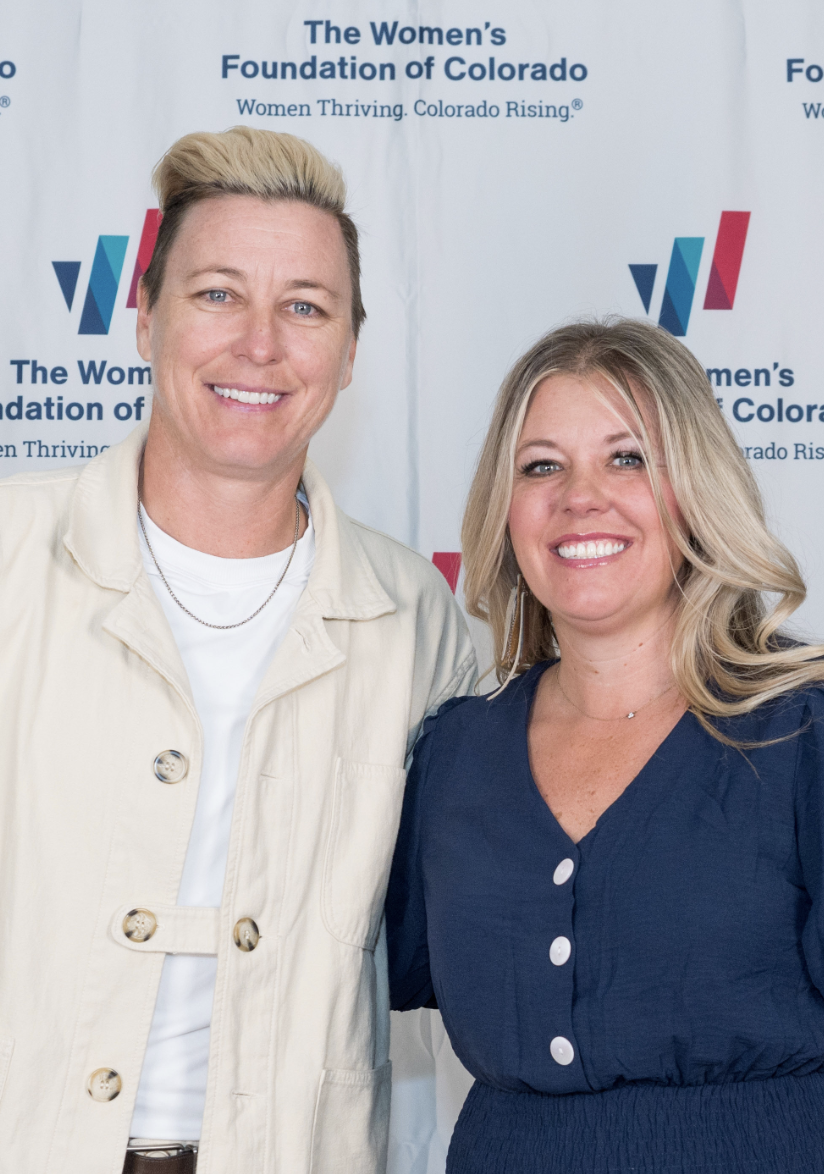
Host of The 5280 Pitch | Former 850 KOA Broadcaster | Colorado Native
Kate Hanson is a veteran sports broadcaster and the voice behind The 5280 Pitch, Denver's home for Summit FC and NWSL coverage. With years of experience at 850 KOA—Denver's premier sports radio station—Kate brings professional broadcasting chops and deep Colorado sports knowledge to women's soccer coverage.
As a Colorado native and lifelong soccer fan, Kate covers Denver Summit FC's inaugural season with the same depth and analysis she brought to Denver's other professional teams. Her style is direct, energetic, and unapologetically passionate about treating women's soccer with the respect it deserves.
What Kate Talks About:
-Denver Summit FC's expansion season and NWSL growth
-Tactical breakdowns, player profiles, and match analysis
-The altitude advantage and what makes Centennial Stadium unique
-Building community around women's professional sports in Denver
-Colorado soccer culture and the youth development pipeline
-Women's sports media and broadcast coverage
Kate's broadcast background at 850 KOA gives her a unique perspective on how women's soccer fits into Denver's sports landscape—and why this moment matters for the city and the league.
Available for:
-Podcast guest appearances
-Panel discussions on women's sports media and broadcasting
-Denver sports commentary and NWSL analysis
-Soccer culture and community-building conversations
Contact: 5280pitch@gmail.com
When she's not behind the mic, Kate is usually at a pitc…