Veterans Anchor Denver Summit FC's Expansion Defense
Championship Pedigree Meets Youth in Summit's Back Line
Expansion teams don't build from the attack. They build from the back.
Denver Summit FC understood this when they assembled their defensive unit for the 2026 NWSL season. Eight defenders. Four with championship rings. Multiple Olympic medalists. Veterans who've played every minute of championship runs and rookies earning their first USWNT call-ups.
This isn't a back line hoping to survive year one. It's a defensive core built to compete immediately.
Kaleigh Kurtz: The Ironwoman Foundation
Age 31. Three-year contract through 2028. And when General Manager Curt Johnson signed Kaleigh Kurtz, he wasn't taking a chance—he was acquiring certainty.
Johnson worked with Kurtz for eight years at North Carolina Courage. He watched her play every single minute of every single match for four consecutive seasons. Not rotation. Not rest. Every minute.
In 2025 alone, Kurtz appeared in 26 matches. Started all 26. Played 2,340 minutes without a substitution. That's ironwoman durability in a league that demands constant sprint recovery and tactical discipline at the highest level.
Her offensive output—1 goal, 0 assists—reflects her role. Kurtz isn't asked to create. She's asked to organize, communicate, and ensure nobody gets behind the defensive line before reaching Abby Smith.
The hardware validates the approach. Two-time NWSL Champion. Two-time Shield winner. Two-time Challenge Cup winner. First Team Best XI in 2024. She's won everything the league offers.
For an expansion team navigating its first season, that experience becomes invaluable. Kurtz has defended in playoff atmospheres. She's faced the league's best attackers repeatedly. She knows what championship-level consistency requires.
Write her name in permanent marker on the lineup sheet. She's starting. She's playing 90 minutes. And she's anchoring everything behind her.
Carson Pickett: Attacking From Defense
Elite Offensive Production for a Fullback
Age 32. Two-year contract. And Carson Pickett represents something most expansion defenses can't claim—legitimate attacking threat from the back line.
In 2025 with Orlando Pride, Pickett appeared in 22 matches, starting 14, accumulating 1,280 minutes. Her output: 3 goals, 2 assists. Five goal contributions from a fullback in limited starts.
Most NWSL fullbacks don't score three goals across an entire season. Pickett produced that in 14 starts while maintaining defensive responsibilities.
She's a two-time NWSL Best XI selection. She's earned USWNT caps. Denver becomes her sixth club in the league, meaning she's encountered every tactical system, every opponent style, every competitive environment the NWSL presents.
What Pickett provides is width and creativity in the attacking third. She overlaps with wingers, delivers quality crosses, cuts inside to shoot. When she's on the field, Denver's attack becomes multidimensional.
The challenge: she's 32. Nick Cushing will need to manage her minutes carefully. Strategic deployment in matches where her offensive contribution can tilt results becomes essential.
Beyond statistics, Pickett brings veteran leadership. She was an exceptional ambassador for Orlando Pride. That professionalism transfers to Denver's locker room, particularly for younger players navigating their first professional season.
Janine Sonis: Coming Home With Gold
Olympic Medalist Returns to Colorado
Age 31. Signed through 2028. Highlands Ranch native. And Janine Sonis represents what makes expansion franchises culturally significant—elite talent choosing to return home.
Sonis's resume includes Olympic gold and bronze medals with Team Canada. An NWSL Championship with Portland in 2022. Captaincy at Racing Louisville. Previous experience playing for Nick Cushing at Manchester City, establishing an existing coach-player relationship.
Denver acquired her via trade from Louisville—$120,000 in transfer funds with incentives reaching $40,000. For an expansion team, that's substantial investment in a defender. It signals organizational conviction about her value.
Before training camp even began, Sonis started the players' WhatsApp group chat. That initiative matters. Team chemistry doesn't emerge accidentally. Someone has to build it intentionally. Sonis took that responsibility.
Tactically, she provides versatility—capable at left or right fullback. Defensively sound. International experience against elite attackers. Championship mentality from winning at the highest level.
But Sonis represents something beyond statistics. She's a Colorado native who reached the sport's pinnacle and chose to return for an expansion project. That sends a message to the community, to young players watching, to the league: Denver is building something worth being part of.
Megan Reid: Depth That Maintains Standards
Age 29. Three-year contract through 2028. Canadian international. And Megan Reid's value extends beyond starting eleven projection.
Reid spent four seasons with Angel City, accumulating 81 appearances across all competitions. That's durability. That's availability. And availability matters when managing roster demands across a 26-match regular season plus potential playoff appearances.
In 2025, she appeared in 18 matches with 9 starts, totaling 896 minutes. No goals, no assists. She functioned as rotational depth rather than primary starter.
For Denver, that role remains valuable. Expansion teams need players who can step in when veterans require rest without dropping performance levels. Reid provides that security.
She made her senior Canadian national team debut at the 2024 W Gold Cup and has remained involved since. Recent international experience means she's defended against elite attacking talent in competitive environments.
When Denver faces schedule density—six matches in 28 days during August—having someone like Reid who maintains defensive standards becomes critical. She won't be starting every match. But when called upon, the level doesn't drop.
Camryn Biegalski: The Prove-It Contract
Age 27. One-year deal with mutual option for 2027. That contract structure communicates clearly: this is your opportunity.
Biegalski was the 2019 Big Ten Defender of the Year at Wisconsin. She won an NWSL Championship with Washington Spirit in 2021. The talent exists. The pedigree exists.
In 2025 with Chicago Stars, she appeared in 20 matches, starting 16, accumulating 1,561 minutes. One goal, one assist. Productive but not securing permanent starting status.
That's been the pattern across four NWSL seasons—stretches of strong performance followed by bench time. She hasn't cemented herself as an unquestioned starter anywhere.
Denver presents a fresh environment. New coaching staff. Expansion roster without entrenched hierarchies. If Biegalski performs consistently, playing time becomes available.
Her versatility helps—she can play center back or fullback. That flexibility matters when managing roster rotation through compressed schedules.
This is her moment. If she's going to break through and become a consistent NWSL starter, Denver's expansion year provides the opening.
Ayo Oke: Youth With International Trajectory
Age 22. Three-year contract through 2028. And Ayo Oke represents Denver's investment in long-term potential.
Oke left UCLA in 2024 to join CF Pachuca in Mexico's Liga MX Femenil. She made 31 appearances, helping Pachuca win the 2025 Clausura and finish second in the Apertura. Professional experience. Silverware.
She's been capped at every USWNT youth level. In January 2026, she received her first senior team call-up. That trajectory matters. She's on the national team's radar.
At 5'3", she's undersized for a defender. But she's a right back with pace, technical quality, and international experience despite her age.
The question becomes adaptation speed. Can she handle NWSL physicality immediately? Or does year one function as development time behind veterans like Pickett and Sonis?
Denver's three-year commitment signals long-term belief. They're not expecting finished product in year one. They're investing in potential.
If she adapts quickly—if she can defend NWSL speed and physicality effectively—she could push for minutes earlier than projected. And with the USWNT watching, every strong performance matters for her international prospects.
Eva Gaetino: European Experience Comes Home
Age 23. Signed through 2028. And Eva Gaetino's late January signing represents significant defensive reinforcement.
Gaetino joins from Paris Saint-Germain where she spent two and a half seasons. She was part of PSG's 2024 Coupe de France Féminine victory. That's European championship experience at a club competing at the sport's highest level.
Before turning professional, she dominated at Notre Dame—starting 75 of 76 possible matches. Won ACC Defensive Player of the Year twice, as both junior and senior. First-team All-American both seasons.
She's a center back. She's earned two USWNT caps. She's competed internationally.
The variable is adjustment. She's been playing in France—different tactical emphasis, different pace, different physicality than the NWSL. Can she immediately partner with Kurtz at center back? Or does adaptation require time?
At 23, she's young but experienced. She's already competed professionally at a high level in Europe. Denver's long-term contract suggests they view her as a foundational piece.
If the Kurtz-Gaetino partnership clicks immediately, Denver could field one of the league's better center back pairings. Veteran organizational leadership alongside young athletic talent. That's the formula expansion teams chase.
Natalie Means: The Versatile Question
Georgetown product. Age 23. Two-year deal with option for 2027. And Natalie Means presents an intriguing tactical puzzle.
Denver lists her as a defender. But at Georgetown, she scored 10 goals and added 6 assists. As a defender. That's exceptional offensive production for a back line player.
The question becomes deployment. Where does Nick Cushing actually use her? Attacking fullback who pushes forward? Wingback in a back three? Is she actually better suited for midfield despite defensive listing?
She started all 23 Georgetown matches. Won multiple Big East awards. She's productive. But the college-to-NWSL jump remains massive.
As a rookie, she'll need to earn minutes. The depth chart includes multiple veterans ahead of her. But versatility creates opportunity. If she can contribute in multiple positions, playing time becomes available.
And a defender who scores goals? That's a tactical weapon in specific matchups. Set pieces. Late-game situations requiring goals. She provides options other defenders don't.
What the Back Line Reveals About Year One
Defensive construction isn't random. Denver's back line reflects clear organizational philosophy.
First: veteran leadership. Kurtz, Pickett, Sonis, Reid. These players have won championships. They've defended in playoff atmospheres. They've faced elimination pressure.
For expansion teams, that experience prevents panic. When matches get difficult—and they will—veterans who've navigated similar situations before can stabilize the group.
Second: international pedigree. Sonis and Reid with Canada. Pickett, Gaetino, and Oke with the USWNT. These defenders have competed at the sport's highest level.
When facing elite NWSL attackers, they're not intimidated. They've defended against world-class talent before.
Third: positional versatility and depth. Pickett, Sonis, and Biegalski can play multiple positions. Oke and Means provide flexibility. Multiple quality options exist at every spot.
During schedule density—six matches in 28 days during August—depth becomes necessity rather than luxury. Running the same back four every match isn't viable.
Fourth: age distribution. Kurtz is 31. Pickett is 32. But Gaetino is 23. Oke is 22. Means is 23.
That balance matters. Veterans lead immediately while young players develop into the core for years two, three, four.
And finally: this back line is built to defend at altitude. To keep games close. To make opponents uncomfortable when fatigue sets in during Denver's late-match push.
Because expansion teams rarely dominate offensively in year one. Chemistry takes time. Attacking patterns require repetition. But defense? Defense can be elite immediately with the right veterans.
Denver has those veterans.
Building From the Back
Eight defenders. Four with championship rings. Multiple Olympic medalists. Veterans and youth in equal measure.
If Denver Summit FC competes in year one, it starts here. With Kurtz organizing the center. With Pickett creating from wide positions. With Sonis bringing championship mentality. With young players like Oke, Gaetino, and Means developing behind established veterans.
This isn't a back line hoping to survive. It's a defensive core built to keep games close, to grind out results, to make teams work for every goal at altitude when legs get heavy in the 70th minute.
That's how expansion teams succeed. Build from the back. Make yourself difficult to beat. Keep games within reach. Let the attack develop over time.
Denver has the pieces. The next eight months reveal whether theory becomes reality.
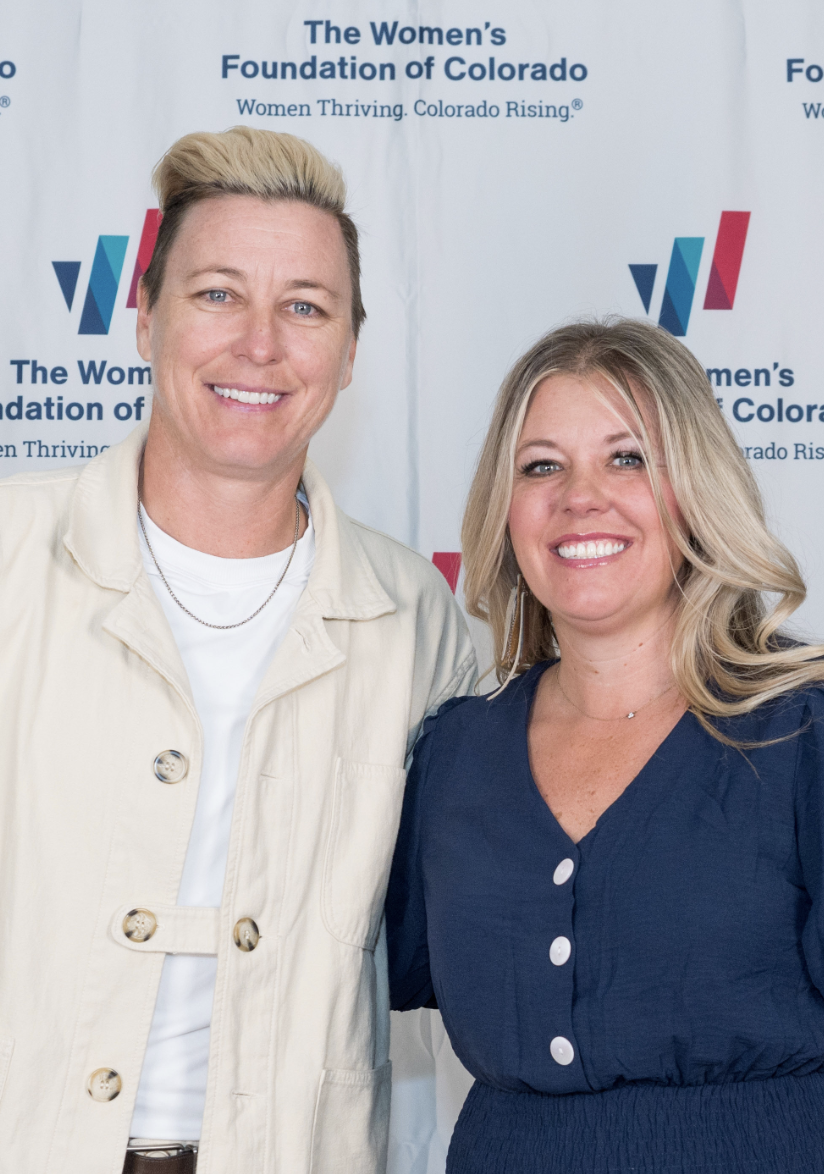
Host of The 5280 Pitch | Former 850 KOA Broadcaster | Colorado Native
Kate Hanson is a veteran sports broadcaster and the voice behind The 5280 Pitch, Denver's home for Summit FC and NWSL coverage. With years of experience at 850 KOA—Denver's premier sports radio station—Kate brings professional broadcasting chops and deep Colorado sports knowledge to women's soccer coverage.
As a Colorado native and lifelong soccer fan, Kate covers Denver Summit FC's inaugural season with the same depth and analysis she brought to Denver's other professional teams. Her style is direct, energetic, and unapologetically passionate about treating women's soccer with the respect it deserves.
What Kate Talks About:
-Denver Summit FC's expansion season and NWSL growth
-Tactical breakdowns, player profiles, and match analysis
-The altitude advantage and what makes Centennial Stadium unique
-Building community around women's professional sports in Denver
-Colorado soccer culture and the youth development pipeline
-Women's sports media and broadcast coverage
Kate's broadcast background at 850 KOA gives her a unique perspective on how women's soccer fits into Denver's sports landscape—and why this moment matters for the city and the league.
Available for:
-Podcast guest appearances
-Panel discussions on women's sports media and broadcasting
-Denver sports commentary and NWSL analysis
-Soccer culture and community-building conversations
Contact: 5280pitch@gmail.com
When she's not behind the mic, Kate is usually at a pitc…